
Micronutrients, thoughtfully formulated. With state-of-the-art production we manufacture supplements and cosmetics to your exact formula — cost-efficiently, from just a single unit, under your own brand.
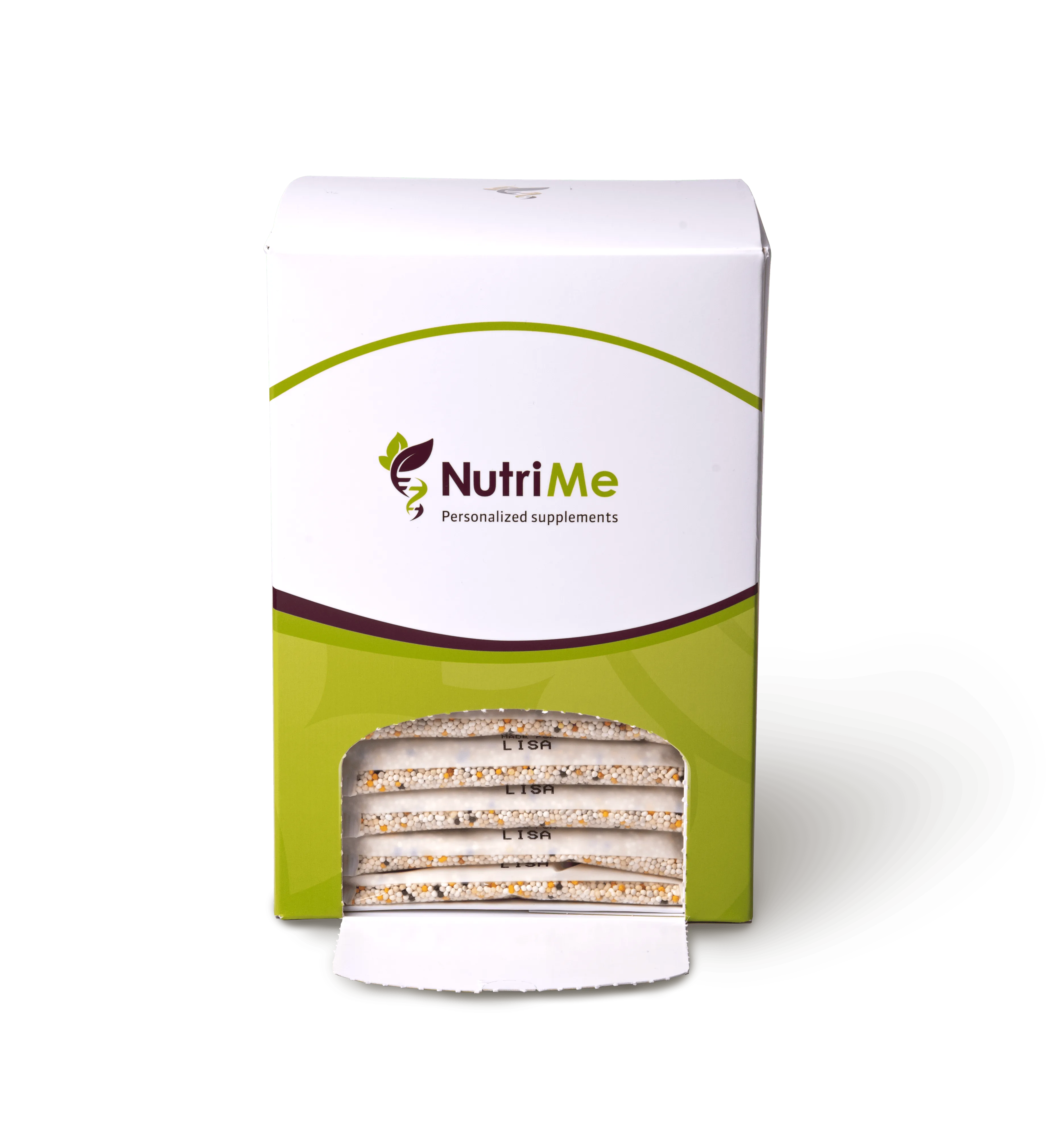
As an experienced supplement manufacturer we create your desired combination of proven vitamins, minerals and phytonutrients within just a few days — entirely to your specification. Tell us which micronutrients you want and in what amounts; we take care of the contract filling for your fully customized product. On request we print your own logo and address on the packaging — for a truly personalized brand experience.
Start your project →Just describe your product to our AI assistant — it gives you a first price estimate instantly, with no waiting. You can also reach the chat any time at the bottom right.
From a single personalized blend to standardized volume production — always under your own brand if you wish.
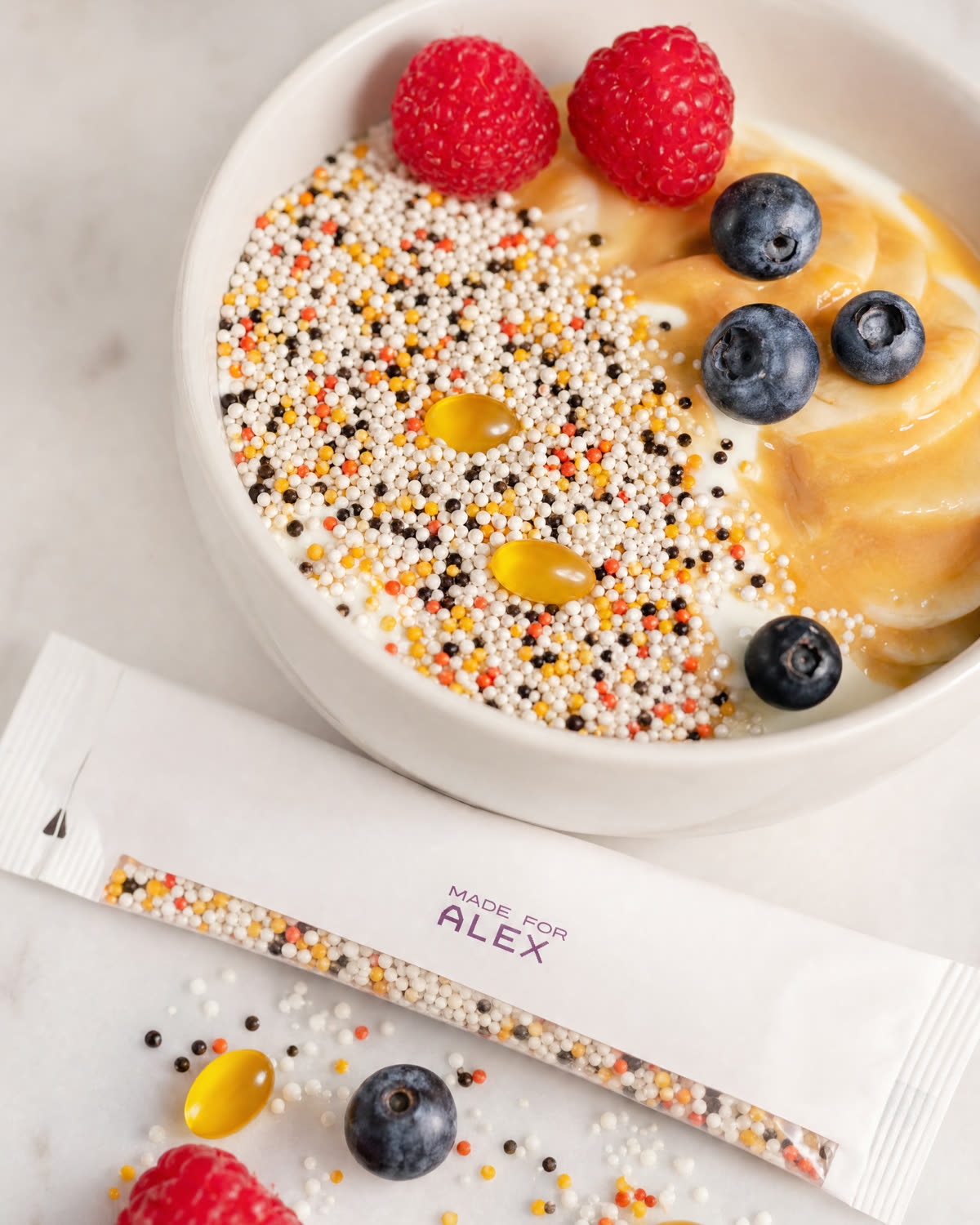
Modern pellet technology lets us produce your personalized micronutrient blend from a production quantity of just one unit — ready within a few days.
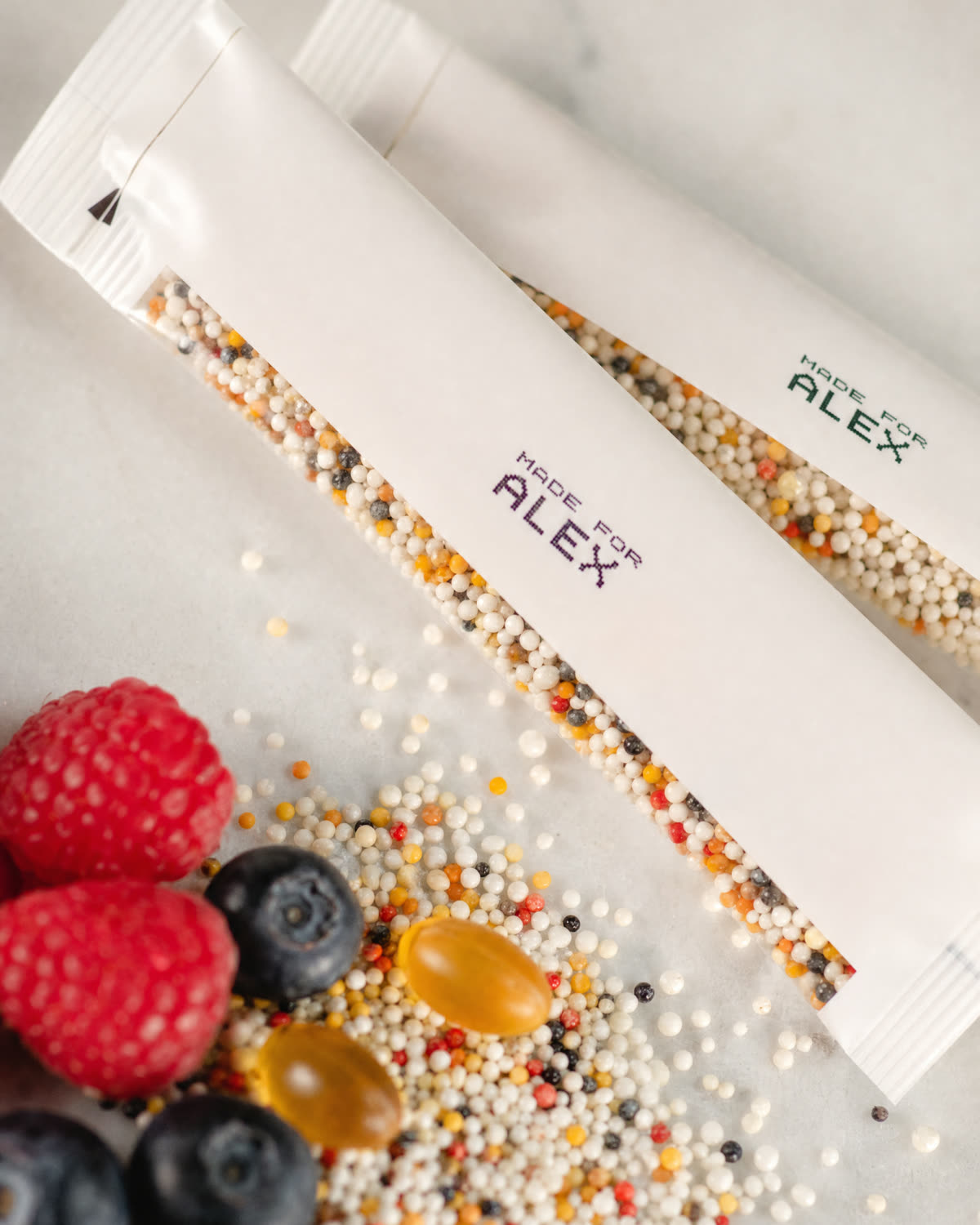
You provide the composition — from a questionnaire, health history, blood values or your own system — and we fill it to your exact spec, marketed under your brand.
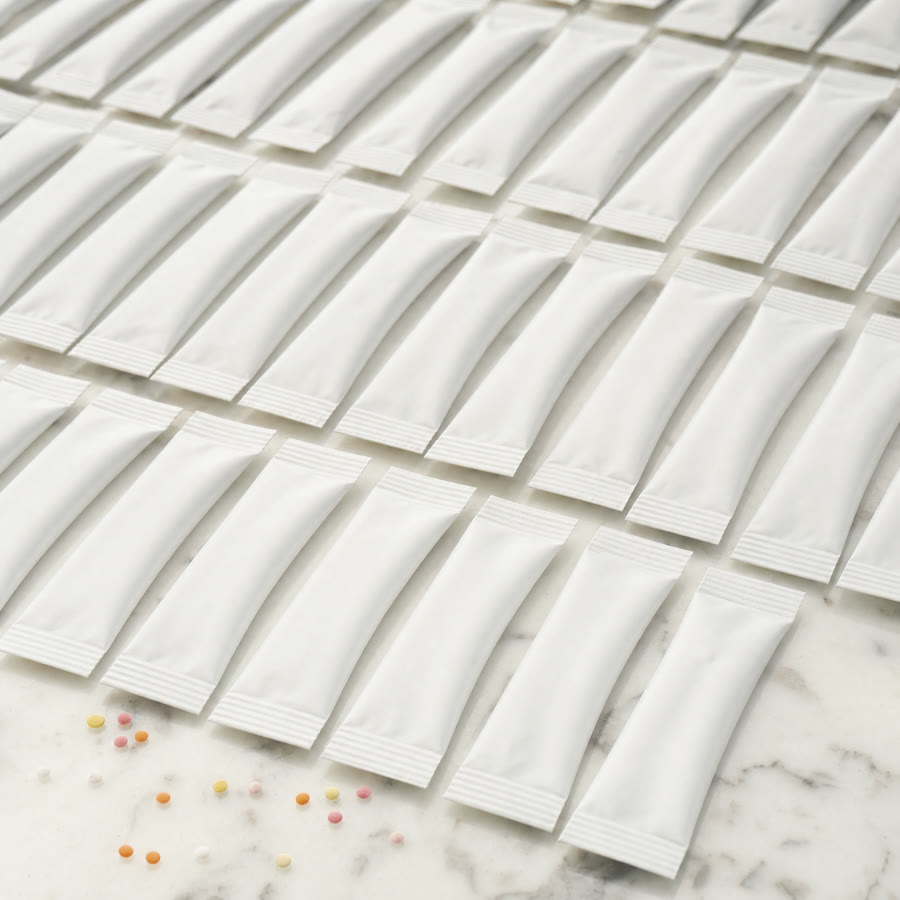
We also produce standardized supplements in large volumes, reliably and efficiently — as a private-label product under your own brand.

Unlike many manufacturers, we don’t rely on traditional capsule filling. We specialize in advanced pellet technology (micro-carriers) and ultra-small tablets under five millimetres in diameter. This lets us produce even small batches flexibly and cost-efficiently, with particularly high bioavailability at minimal volume — making intake easier and more pleasant.
For precise dosing we fill your blends into practical daily sachets — each one optionally labelled with a two-line print (for example an order number and customer name). The portions are packed in high-quality dispensers for convenient access, and for private-label products we offer custom dispenser casings. For larger volumes we develop entirely new packaging solutions, tailored to your needs.
Each available in a pharmaceutical and an alternative form — combined for proven quality and bioavailability.
Every raw material undergoes: microbiological testing, doping-substance screening, nutrient-content testing, IR identity verification — manufactured under an ISO 22000–certified management system.
Retinyl acetate is a manufactured derivative of vitamin A. In chemical synthesis it is often produced from beta-ionone, which is also obtained through chemical synthesis. Pharmaceutically, retinyl acetate is frequently used in skincare products and medicines to harness the benefits of vitamin A, especially its properties in skin regeneration and renewal.
This production aims for pharmaceutical quality to ensure a high purity and efficacy of the final product. A central step in the production of retinyl acetate is the use of beta-ionone, which is also obtained by synthesis. This beta-ionone serves as a precursor in the synthesis of vitamin A. The entire process requires precise chemical reactions and accurate control mechanisms to ensure that the resulting vitamin A retinyl acetate meets the desired properties and standards.
The vitamin B2 used, also known as riboflavin, is one of the highest-quality and most natural vitamins, obtained through the process of biological fermentation. The starting material for this process is corn starch, a sustainable and natural resource. Through fermentation, vitamin B2 is produced in a form that the body can easily recognise and use.
Vitamin B2 is obtained from corn starch through a biological fermentation process with special bacteria. After fermentation the vitamin is extracted and quality-tested. It is then packaged and made available for food supplements and other applications.
The vitamin B6 used is one of the highest-quality products, produced through a precise pharmaceutical process. It is created from a chemical reaction in which L-alanine and oxalic acid are esterified. This special manufacturing process ensures a particularly high purity and quality of the vitamin. Vitamin B6 is thus sourced in its purest form from controlled sources.
Vitamin B6 is produced pharmaceutically through a chemical reaction process. This process includes the esterification of L-alanine and oxalic acid. After the desired form of vitamin B6 has been obtained through this reaction, the product is quality-tested. It is then packaged and ready for distribution and use.
Methylfolate
The folic acid preparation used is one of the purest and highest-quality vitamin sources, pharmaceutically produced by state-of-the-art processes. Its basis is the active substance (6R,S)-5-methyltetrahydrofolic acid, supplemented by further components such as (S)-1-phenylethylamine and (6S)-5-methyltetrahydrofolic acid. Another important component is the fermentatively obtained glucosamine hydrochloride.
Using advanced pharmaceutical technologies, folic acid (methylfolate) is produced through a specified pharmaceutical reaction process. The starting points are the compounds (6R,S)-5-methyltetrahydrofolic acid and (6S)-5-methyltetrahydrofolic acid. Together with (S)-1-phenylethylamine and the fermentatively obtained glucosamine hydrochloride, these components are combined in a precisely monitored process. After completion of the reaction, the resulting methylfolate is thoroughly quality-tested to ensure that it meets the highest pharmaceutical standards. After passing all quality controls, the pure methylfolate is packaged and prepared for use in food supplements and medicines.
Folic acid
The folic acid preparation used is one of the purest and highest-quality forms of this important vitamin. It is obtained through a specialised chemical process from the starting substances p-aminobenzoyl glutamic acid, triamino hydroxy pyridine sulphate, trichloroacetone and water. Through this careful manufacture, folic acid occurs in its purest and most bioavailable form, ready to be efficiently absorbed and used by the body.
Folic acid is produced through a sophisticated pharmaceutical process in which p-aminobenzoyl glutamic acid, triamino hydroxy pyridine sulphate, trichloroacetone and water are used as starting materials. This process is based on specific chemical reactions in which these compounds interact with one another to produce the desired folic acid. After synthesis, the folic acid undergoes a thorough quality check to ensure that it meets the required standards. After completion of these tests, it is packaged for further use or sale.
Vitamin B12 - methylcobalamin is one of the highest-quality and most active forms of this essential vitamin. It is obtained from bacteria through a special process of biological fermentation. These bacteria are cultivated in controlled environments to ensure that the resulting vitamin is of the highest quality and purity.
Bacteria are cultivated through a biological fermentation process to produce vitamin B12. These specialised bacteria are grown in controlled environments to ensure optimal conditions for their growth and production capabilities. After the fermentation process, the vitamin B12 is extracted from the bacteria. It then undergoes strict quality controls to ensure that it meets the highest standards.
Vitamin C, scientifically known as ascorbic acid, is an essential water-soluble vitamin needed for various bodily functions. The raw materials are obtained from maize and then converted into vitamin C through natural fermentation with microorganisms.
The production of vitamin C begins with obtaining the raw materials from maize. This maize serves as the starting material, which is fermented in the first steps. Through the use of microorganisms, the maize is converted into vitamin C precursors as part of a natural fermentation. Subsequently, the product undergoes several processing stages: ion exchange, crystallisation, concentration and esterification. This leads to the conversion into the final ascorbic acid form. Further steps such as a second ion exchange, decolorisation, renewed crystallisation and drying follow in order to ensure purity and quality. Finally, the product is checked with a metal detector to exclude any impurities, and then packaged. The final result is pure vitamin C, ready for use or further processing.
The D-alpha-tocopheryl acetate used is one of the highest-quality natural antioxidants, obtained from soybean oil. This oil source is harvested using sustainable agricultural methods. Vitamin E in the form of D-alpha-tocopheryl acetate thus comes from natural sources and stands for quality and purity.
The production of vitamin E in the form of D-alpha-tocopheryl acetate is based on natural raw materials. The valuable vitamin is extracted directly from soybean oil, a biological and pharmaceutical source. To stabilise and refine the final product, the vitamin E is then adsorbed onto silicon dioxide. This ensures the quality and purity of the D-alpha-tocopheryl acetate and makes it a reliable and sustainable choice for consumers.
The calcium extract used is one of the highest-quality natural mineral sources, obtained from calcareous marine algae (Lithothamnion sp.). These algae are harvested from the seabed of the North Atlantic. Calcium thus occurs in the form of calcium carbonate from natural sources.
Calcified algae are harvested from the pure waters of the North Atlantic in the region of Iceland. The calcium is then extracted in the form of calcium carbonate, quality-tested and subsequently packaged.
Iron bisglycinate is a chelated form of iron created by combining iron with glycine. Thanks to its special structure, it exhibits an increased bioavailability, allowing the body to absorb and use the iron more easily. It is regarded as a well-tolerated and environmentally friendly iron source.
The production of iron bisglycinate is based on a process in which a naturally occurring mineral, specifically iron, serves as the basis. To create the active form of iron bisglycinate with better bioavailability, an iron source is combined with glycine, citric acid and demineralised water. The result of this combination is iron bisglycinate, a chelated iron product that is more readily available to the human body.
Copper sulphate, often referred to as blue vitriol, is a light-blue, crystalline chemical product. It is created when copper, a naturally occurring element, is converted into a sulphate.
It is produced synthetically by reacting copper - a naturally occurring metallic element - with sulphuric acid. The resulting copper sulphate is then crystallised and purified to obtain the final product in its characteristic blue colour.
Magnesium citrate is one of the premium and natural mineral compounds produced from a combination of biological and mineral sources. This particular magnesium is obtained from magnesium oxide (MgO) and magnesium carbonate (MgCO3), which are then combined with citric acid to form the highly bioavailable magnesium citrate.
Natural magnesium oxide obtained from mineral sources is processed together with magnesium carbonate. This magnesium is then treated with citrate, which comes from vegetable fermentation. The result of this combination is magnesium citrate. After production, the magnesium citrate is quality-tested, packaged and then available for consumption and further applications.
Manganese(II) sulphate is a chemical compound consisting of the element manganese and sulphuric acid. It typically appears as a pale pink or colourless crystalline salt and is readily soluble in water. This water-soluble property makes manganese sulphate a preferred agent when manganese is administered in industrial applications or as a food supplement.
The production of manganese(II) sulphate takes place through the reaction of manganese powder with sulphuric acid. Manganese is a naturally occurring element contained in various minerals in the earth's crust. For the production of manganese(II) sulphate, manganese powder is mixed with sulphuric acid. This reaction produces manganese(II) sulphate in the form of an aqueous solution. Subsequently, through various processes such as crystallisation, the manganese(II) sulphate can be obtained in the form of manganese(II) sulphate monohydrate, a white solid used in many industrial applications and as a food supplement.
Selenium is an essential, naturally occurring mineral that is indispensable for many bodily functions. In its active form, such as in L-selenomethionine, it can be better absorbed by the body, which increases its bioavailability. Selenium is often used in combination with other minerals, such as calcium hydrogen phosphate.
L-selenomethionine is obtained as a bioavailable selenium source.
Zinc bisglycinate is an organic zinc compound in which zinc is bound to two glycine molecules. It is a bioavailable form of zinc that is often used in food supplements. The advantage of zinc bisglycinate over other zinc compounds lies in its high absorption rate in the intestine, which means that the body can absorb the zinc from this compound more easily.
Zinc bisglycinate is created through the chelation of zinc, often from zinc oxide or zinc sulphate, with the amino acid glycine. During production, an aqueous glycine solution is mixed with a zinc source and the pH value is controlled to ensure optimal chelation. After chelation, the mixture is dried to obtain zinc bisglycinate in powder form.
The phytosterol used is one of the highest-quality natural sterol sources, obtained from pine (pine source). Phytosterol from this biological source occurs in its natural form and represents a pure and environmentally friendly method of obtaining this important plant sterol.
Pines that are rich in phytosterols serve as the main source. From these pines, the phytosterol is extracted in its natural form. After extraction, the phytosterol undergoes a purification process to remove any impurities and ensure the highest quality of the product. After purification, the phytosterol is quality-tested. Finally, it is packaged and ready for distribution.
MSM (methylsulfonylmethane) is an organic sulphur compound that occurs in numerous natural sources but can also be produced pharmaceutically to ensure purity and consistency.
In the pharmaceutical production of MSM, dimethyl sulphoxide (DMSO) is used as the starting material. In a process involving the reaction of DMSO with hydrogen peroxide, the DMSO is converted into MSM. Water plays a crucial role here in controlling the reaction and ensuring that the final product has the desired quality.
Lutein is a yellow to orange carotenoid belonging to a group of pigments found in plants and other photosynthetic organisms. It is one of over 600 known carotenoids, but only a few play such a significant role for the human body as lutein.
The production of lutein from the marigold takes place through an extraction process. The petals of the marigold are collected and then exposed to a solvent that dissolves the lutein out of the plant cells. After extraction, the solvent is removed, and the pure lutein is isolated and concentrated through various purification processes.
The alpha-lipoic acid used is a high-quality, natural compound that occurs both in the human body and in certain foods. This substance plays a decisive role in the energy-producing structures of the cells.
The production of the R-form of alpha-lipoic acid uses a synthetic approach based on the reaction of sulphur, ethyl 6,8-dichlorocaprylate and sodium sulphide. Each of these components is also produced by synthetic means, which makes the entire production process both biological and synthetic.
Coenzyme Q10 (CoQ10) is a fat-soluble, vitamin-like substance that occurs in almost every cell of the human body.
Coenzyme Q10 is obtained through a biological fermentation process. This is a method in which plant material serves as the starting substance. Through the fermentation of certain microorganisms, specifically the bacterium Rhodobacter sphaeroides, coenzyme Q10 is produced in a natural way. This approach ensures that the resulting coenzyme Q10 is of high quality and bioavailability, as it is created through biological fermentation and not produced synthetically.
… and many more micronutrients are available.
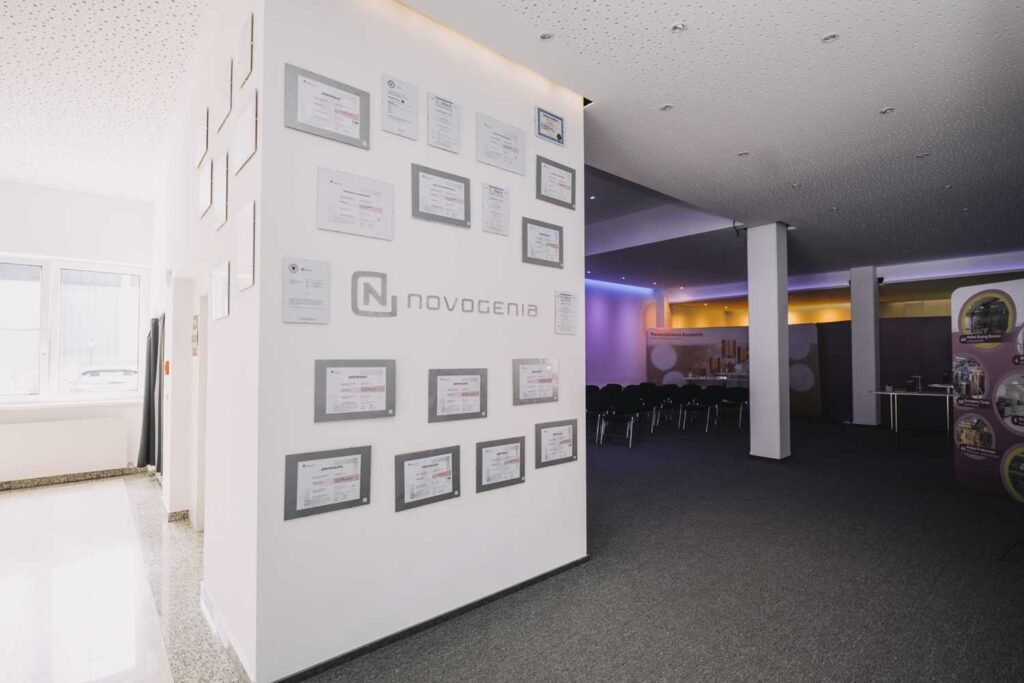
Your supplements are manufactured in our facility in Austria — using state-of-the-art technology across roughly 1,500 m² of production space, to the most stringent standards in the industry.
The quality of a supplement depends directly on its raw materials. We combine two proven approaches: about 80% of micronutrients from biological sources (e.g. magnesium from specific algae — high bioavailability and tolerability) and about 20% pharmaceutical-grade (exceptional purity, precise dosing, longer shelf life, lower volume).
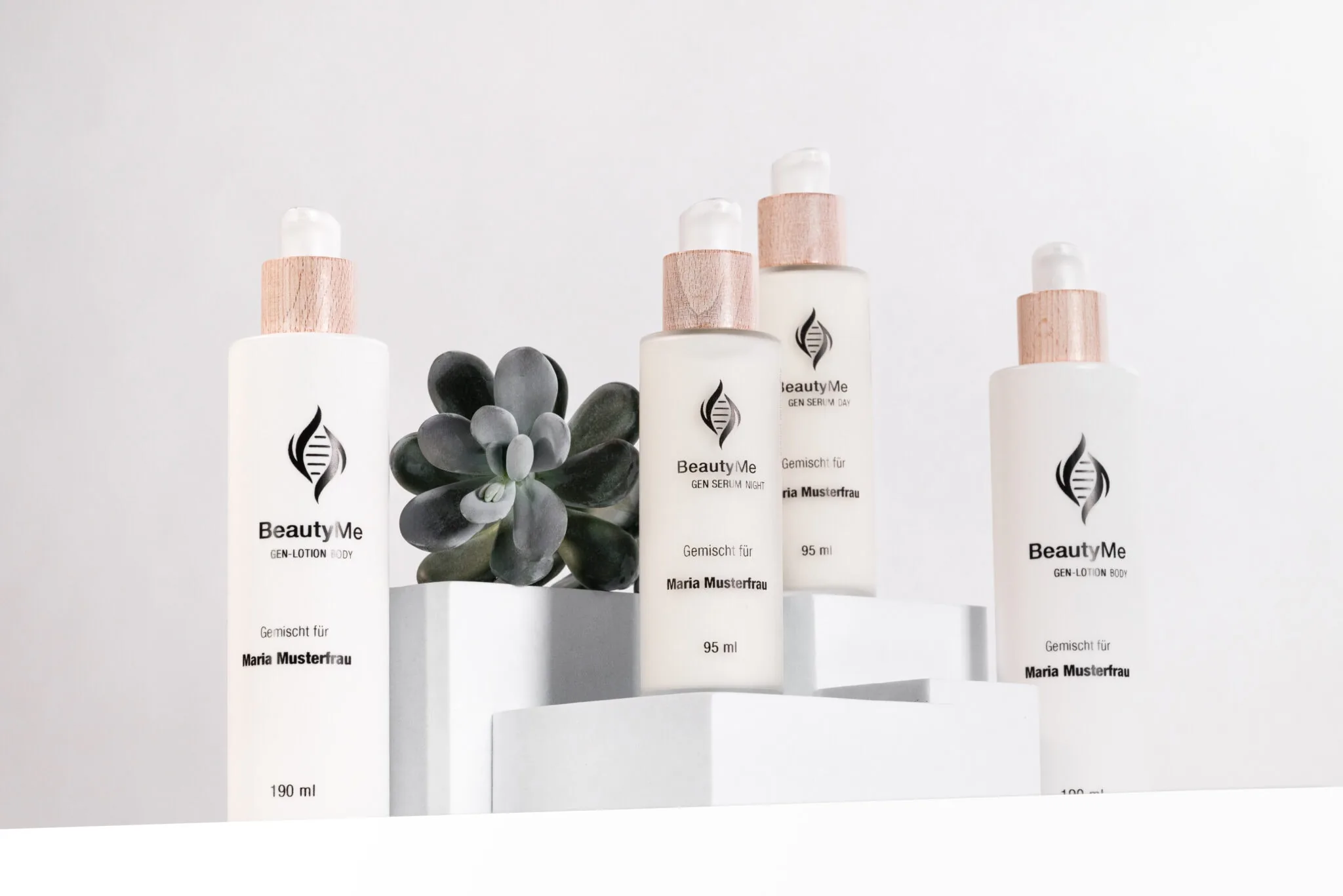
Alongside supplements we manufacture customized cosmetic products — serums or body lotions with selected active ingredients in the dosage you specify. If your specifications fall within our production parameters and the raw materials are available, we can produce and ship your product within just a few days.
See our cosmetics →A partnership with Novogenia means cutting-edge technology, scientific precision, and a commitment to improving lives through personalized, innovative solutions. Tell us what you need — we’ll take it from there.
Request a quote →Science: Today there are already about 4 million scientific publications that have studied the effects of genes on the human body. That genes influence body weight, the effectiveness of certain strategies and the ability to handle certain nutrients is supported by multiple scientific studies for each gene — the genetic traits determined by our analyses are therefore considered scientifically confirmed.
Recommendations: The adaptations of micronutrient dosing, cosmetic formulation and dietary or lifestyle recommendations derived from these findings have not yet been confirmed by randomised, placebo-controlled studies for every genetic effect. They are therefore to be understood as logical conclusions — not scientifically proven outcomes — and do not replace medical advice, diagnosis or treatment.
Tell us about your brand and volume needs — we'll get back to you with a concept and pricing.